
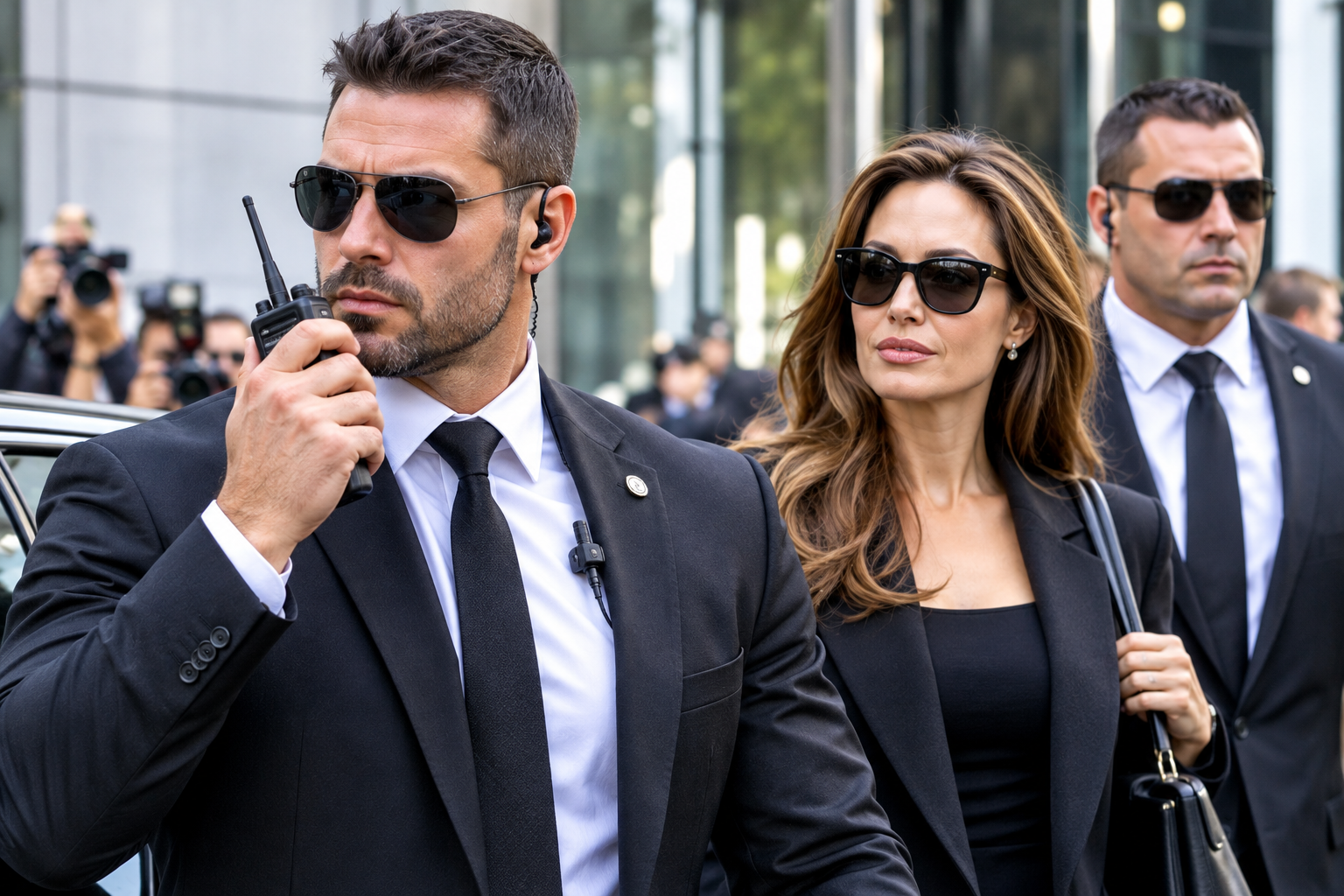
Bodyguard Jobs: Career Opportunities, Skills, Training, and Responsibilities

The bodyguard industry offers a range of career opportunities for people interested in personal protection, security, and public safety. From protecting celebrities and business executives to providing security for private properties, corporate facilities, and public events, bodyguards play an important role in helping individuals and organizations manage potential security risks.
Although the profession may appear glamorous because of its association with famous personalities, bodyguard work involves much more than standing beside a client or wearing a uniform. It requires preparation, discipline, physical fitness, sound judgment, communication skills, and the ability to remain calm under pressure.
For people considering a career in personal protection, understanding the different types of bodyguard jobs, the qualifications employers expect, and the responsibilities involved is an important first step.
What Does a Bodyguard Do?
A bodyguard, also known as a close protection officer or personal protection specialist, is responsible for helping protect an individual from potential threats. The exact duties depend on the client, the working environment, and the level of security required.
Some bodyguards work directly for private individuals, while others are employed by security companies, corporations, entertainment organizations, or government-related contractors.
Typical responsibilities may include:
- Assessing potential security risks and identifying vulnerabilities.
- Accompanying clients during travel, public appearances, and private engagements.
- Monitoring entrances, exits, and surrounding areas.
- Helping plan secure routes and transportation arrangements.
- Coordinating with other security personnel.
- Maintaining communication with emergency services when necessary.
- Responding appropriately to suspicious activity or emergencies.
- Preparing reports about incidents and security concerns.
Professional bodyguards generally aim to prevent problems rather than become involved in physical confrontations. Observation, planning, communication, and risk management are often more important than physical strength.
Different Types of Bodyguard Jobs
The personal protection industry includes several types of employment. The responsibilities and qualifications can vary considerably depending on the position.
1. Celebrity and Entertainment Bodyguards
Actors, musicians, television personalities, and other public figures sometimes hire personal protection professionals because their public visibility can expose them to unwanted attention, harassment, or security risks.
Entertainment bodyguards may accompany clients to concerts, film premieres, public appearances, private events, and travel destinations. They must be professional, discreet, and comfortable working in busy environments.
Protecting a public figure also requires strong interpersonal skills. A bodyguard must understand how to maintain a safe environment without unnecessarily interfering with the client’s professional or personal activities.
2. Executive Protection Officers
Business leaders, senior executives, and other high-profile professionals may require personal protection because of their responsibilities, public profiles, or specific security concerns.
Executive protection officers may accompany clients to offices, meetings, conferences, airports, and business events. Their work can involve travel planning, security assessments, communication with corporate security teams, and coordination with local authorities.
Discretion and professionalism are particularly important in this field because bodyguards may work in sensitive business environments.
3. Residential and Private Property Security
Some security professionals are employed to protect private homes, estates, and other properties. Their duties may include monitoring access points, conducting authorized security checks, observing suspicious activity, and reporting incidents.
Depending on the employer and local regulations, these positions may involve working independently or as part of a larger security team.
Residential security requires reliability, attention to detail, and the ability to follow established procedures, especially during overnight shifts.
4. Event and Public Figure Security
Concerts, sporting events, conferences, and private functions may require additional security personnel. Some professionals focus on protecting a particular individual, while others help manage access control and general event safety.
Event security workers need good communication skills and the ability to cooperate with event organizers, venue staff, emergency responders, and other security personnel.
5. Travel and Close Protection
Some bodyguards accompany clients on domestic or international trips. These assignments may require advance planning, coordination with local security providers, and awareness of travel-related risks.
Close protection professionals must be adaptable because working conditions can change quickly when clients travel between locations.
Qualifications and Training for Bodyguard Jobs
Most professional personal protection positions require some form of relevant training, licensing, or documented experience. The exact requirements depend on the country, state, or region where the person intends to work.
In many locations, bodyguards must obtain a security license or complete approved training before accepting certain assignments. Some employers also require background checks, identity verification, and proof of professional qualifications.
Common training areas include:
First Aid and Emergency Response: Bodyguards may be among the first people available when someone becomes injured or unwell. First-aid training helps them provide appropriate initial assistance while waiting for medical professionals.
Conflict Management and De-escalation: Learning how to communicate calmly, recognize escalating situations, and reduce tension can help prevent incidents from becoming dangerous.
Risk Assessment: Professionals need to recognize potential vulnerabilities and understand how to report and manage security concerns.
Communication Skills: Clear communication is essential when working with clients, colleagues, venue staff, and emergency services.
Legal Responsibilities: Training should cover relevant laws, privacy requirements, lawful use of force, and the limits of a security professional’s authority.
Personal Protection Procedures: Depending on the role, specialist courses may cover protective planning, emergency procedures, situational awareness, and safe travel arrangements.
Weapons training is not a universal requirement. Armed assignments are subject to strict legal requirements, licensing, and employer policies. Applicants should never assume that a general security qualification automatically authorizes them to carry or use a weapon.
Is Military or Martial Arts Experience Necessary?
Military, police, and martial arts backgrounds can be useful for certain personal protection positions. People with these experiences may already have developed discipline, fitness, teamwork, and the ability to function under pressure.
However, previous military service or martial arts experience is not necessarily required for every bodyguard job.
Employers often look for a broader combination of skills, including good judgment, reliability, emotional control, communication, and respect for legal boundaries.
A person with excellent physical abilities may still be unsuitable for personal protection work if they cannot communicate professionally or make responsible decisions. In many situations, avoiding confrontation is the best possible outcome.
Physical Fitness and Professional Appearance
Physical fitness can be important in personal protection work. Some assignments involve long periods of standing or walking, extended travel, irregular working hours, and physically demanding environments.
Maintaining cardiovascular fitness, strength, mobility, and general health can help professionals manage these demands.
However, fitness should not be confused with aggression or unnecessary physical intervention. Bodyguards need to use sound judgment and follow lawful procedures. Their primary responsibility is to help protect people and reduce risks, not to demonstrate physical strength.
Professional appearance also matters. Depending on the assignment, a bodyguard may wear a formal suit, business clothing, or a uniform. The appropriate appearance should match the client’s expectations and the security requirements of the environment.
Important Personal Skills for a Successful Career
In addition to formal training, several personal qualities can make a significant difference in this profession.
- Observation: Recognizing unusual activity and paying attention to the surrounding environment.
- Patience: Remaining focused during long periods of routine work.
- Discretion: Respecting client privacy and handling sensitive information responsibly.
- Communication: Giving clear information and working effectively with others.
- Emotional control: Remaining calm during stressful or unexpected situations.
- Reliability: Arriving on time, following instructions, and completing assigned responsibilities.
- Adaptability: Responding appropriately when plans or working conditions change.
- Professional judgment: Understanding when to act, when to seek assistance, and when to contact the authorities.
These qualities are valuable across many security roles and can help candidates stand out when applying for employment.
Legal Responsibilities and Working with the Police
Bodyguards and private security professionals do not automatically have the same legal powers as police officers. Their authority is generally limited by the laws of the jurisdiction in which they work.
They must understand the legal boundaries of their role, respect individual rights, and avoid unnecessary or unlawful force. The rules governing detention, searches, carrying weapons, and physical intervention vary by location.
When a serious incident occurs, security professionals may need to contact the police or emergency services, provide relevant information, assist affected individuals within their training, and preserve the scene when appropriate.
A professional bodyguard should never assume that protecting a client gives them unlimited authority. Understanding the law is essential to protecting both the client and the security professional.
How to Find Bodyguard Jobs
People interested in entering the industry can explore several employment channels.
Security Companies: Private security companies often recruit personnel for residential protection, corporate security, events, and personal protection assignments.
Specialist Close Protection Agencies: Some agencies focus on executive protection, celebrity security, and travel-related assignments. Applicants may need additional qualifications or previous experience.
Corporate Employers: Larger organizations may employ security personnel directly or work with external providers.
Online Job Platforms: Career websites and professional recruitment platforms can help candidates find advertised security vacancies. Searching for terms such as “bodyguard,” “close protection officer,” “executive protection,” and “personal security officer” may reveal a wider range of opportunities.
Professional Networking: Building relationships with experienced security professionals, training providers, and reputable employers can help applicants learn about career opportunities.
When applying, candidates should prepare a professional resume that highlights relevant training, licenses, first-aid qualifications, security experience, communication skills, and any suitable military or law-enforcement background.
Applicants should also research employers carefully and avoid organizations that promise unrealistic salaries or request suspicious upfront payments.
Career Development and Advancement
A bodyguard career can develop in several directions. With additional training and experience, professionals may progress into senior close protection roles, security supervision, corporate security management, security consulting, or training positions.
Some professionals choose to specialize in executive protection, residential security, event security, or travel security.
Continuing education is important because laws, professional standards, technology, and security practices can change. Maintaining valid licenses and certifications, where required, is also essential.
Is a Career as a Bodyguard Right for You?
Bodyguard work can be rewarding for people who enjoy responsibility, practical problem-solving, teamwork, and helping others feel safe. However, it is not always glamorous or predictable.
The job may involve long shifts, frequent travel, irregular schedules, demanding clients, and stressful situations. Some assignments are routine, while others require careful preparation and quick decision-making.
Before pursuing this career, consider the training requirements, licensing rules, working conditions, and personal responsibilities involved. Speaking with established professionals and researching reputable training providers can help you make an informed decision.
Final Thoughts
Bodyguard jobs offer opportunities for people interested in personal protection and professional security. Whether working with celebrities, executives, private families, or event organizers, bodyguards contribute to safety through preparation, observation, communication, and responsible decision-making.
A successful career requires more than physical fitness. Proper training, legal awareness, discretion, reliability, and the ability to remain calm under pressure are essential qualities.
For anyone considering this profession, the best starting point is to understand local licensing requirements, obtain appropriate training, build relevant experience, and apply to reputable security employers. With the right preparation and a professional attitude, personal protection can become a meaningful career path.