
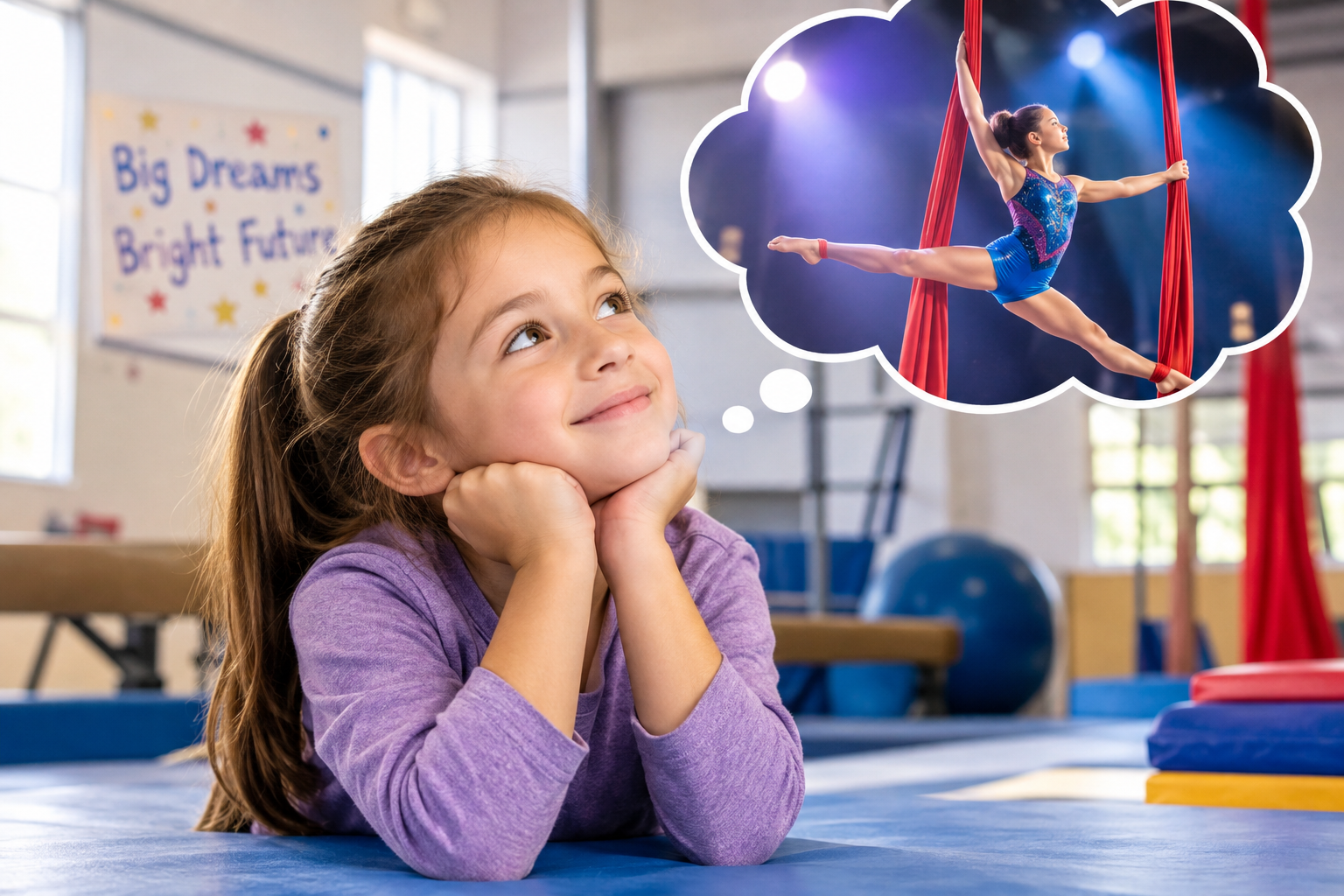
Ever Wanted to Be an Acrobat? Exploring Children’s Dreams and Career Aspirations

Children often have big dreams about what they want to become when they grow up. From doctors and teachers to athletes, artists, and performers, their ambitions reflect the people they admire, the activities they enjoy, and the stories they encounter. For parents and teachers, listening to these dreams offers a valuable opportunity to understand children’s interests and encourage them to explore their potential. Sometimes, a child’s chosen career can be as surprising and exciting as wanting to become an acrobat.
How Children’s Career Dreams Begin
One of the most rewarding aspects of teaching elementary school is talking with students about their hopes for the future. Children often express their ambitions with remarkable enthusiasm and imagination. A classroom discussion about different professions can introduce them to careers they might never have considered and help them understand the many paths available as they grow older.
During one such discussion, a teacher asked students to share what they wanted to become as adults. One student, Annie, confidently announced that she wanted to be an acrobat. Her answer stood out because it was different from the more familiar career choices children often mention.
Curious about Annie’s ambition, her teacher invited her to explain what made acrobatics so appealing. Her answer revealed three important influences that frequently shape children’s career aspirations: family role models, media exposure, and personal experience.
1. Family Role Models Can Inspire Career Choices
Annie’s first inspiration was close to home. Her mother was an accomplished gymnast who taught local classes and helped young people develop their skills. Annie had grown up watching someone she loved practice, teach, and share her passion for gymnastics.
It is easy to understand why she wanted to follow a similar path. Children often admire their parents, relatives, teachers, and other trusted adults. Observing these role models at work can make a profession seem exciting, meaningful, and achievable.
Family members can influence career interests in many ways. A child whose parent works as a nurse may become interested in healthcare. A child who watches a family member repair machines may develop an interest in engineering. Similarly, children who see musicians, athletes, artists, or performers enjoying their work may begin imagining themselves in similar roles.
However, inspiration should not become pressure. Parents can encourage children’s interests while allowing them to develop their own identities. A child who admires a parent’s profession may eventually choose a completely different career, and that is perfectly natural.
The most helpful approach is to demonstrate enthusiasm, explain what a job involves, and give children opportunities to explore their interests without expecting them to follow a predetermined path.
2. Television, Movies, and Online Media Shape Children’s Imagination
Annie’s second source of inspiration was a television program or movie featuring acrobats. Watching performers demonstrate strength, balance, flexibility, and coordination had made the profession memorable to her.
Media can introduce children to careers they may not encounter in everyday life. Documentaries, educational programs, films, interviews, and age-appropriate online videos can help young viewers discover everything from wildlife conservation and space exploration to dance, circus performance, and scientific research.
These experiences can broaden children’s understanding of the world and encourage curiosity. A child who watches a science program might become interested in experiments, while a story about an adventurous explorer could inspire an interest in geography or environmental protection.
At the same time, media often presents an idealized version of professional life. Movies may focus on the excitement of performing while overlooking the years of training, physical conditioning, teamwork, and discipline required to become an accomplished acrobat.
Parents and teachers can help children distinguish entertainment from reality by discussing what they watch. Questions such as “What skills do you think that performer needed?” or “How do you think they prepared for the show?” encourage children to think more deeply about a profession.
Rather than dismissing children’s media-inspired ambitions, adults can use them as starting points for meaningful conversations and learning opportunities.
3. Hobbies and Activities Help Children Discover Their Strengths
The third reason Annie wanted to become an acrobat was straightforward: she was already attending gymnastics classes and genuinely enjoyed them.
This is a powerful influence on children’s career interests. Activities that bring enjoyment, confidence, and a sense of achievement can naturally become part of a child’s vision for the future.
Sports can introduce children to careers in coaching, physical education, or professional athletics. Drawing and painting may spark an interest in illustration, animation, or graphic design. Building models can encourage curiosity about architecture and engineering, while acting in school plays may lead to an interest in theatre or filmmaking.
Participating in activities also helps children discover their strengths and identify skills they would like to improve. They learn about practice, patience, cooperation, and overcoming challenges.
Nevertheless, enjoying a hobby does not mean a child must turn it into a career. Interests can change as children grow, meet new people, and experience different activities. The goal is to help them explore possibilities, not to make an early decision permanent.
For Annie, gymnastics provided a practical way to learn more about movement and performance. Whether she eventually became a professional acrobat or chose another path, the experience could still help her develop valuable skills.
What Does It Take to Become an Acrobat?
Acrobatics can be an exciting profession for people who enjoy movement, performance, and physical challenges. Acrobats may work in circuses, theatrical productions, live entertainment, specialized performance companies, or other settings that feature physical skills.
Professional acrobats generally develop a combination of strength, flexibility, balance, coordination, body awareness, and concentration. They also need discipline, perseverance, and the ability to work safely with coaches and fellow performers.
Training usually takes time and should be appropriate for the individual’s age, experience, and physical development. Children interested in acrobatics should begin with qualified instructors who emphasize proper technique, gradual progression, and injury prevention. Difficult tricks, high-risk stunts, and advanced equipment should never be attempted without suitable training and supervision.
There are also different ways to participate in acrobatics. Some people pursue professional performance, while others enjoy gymnastics, dance, recreational acrobatics, or circus arts as hobbies. Each path can provide opportunities for learning, creativity, and personal growth.
How Parents and Teachers Can Support Career Exploration
Adults play an important role in helping children develop healthy attitudes toward their futures. Instead of focusing only on what a child wants to become, parents and teachers can explore why that career appeals to them.
Here are several practical ways to encourage children’s curiosity:
- Listen without judgment. Take children’s ambitions seriously, even when their choices seem unusual or unrealistic.
- Introduce a variety of professions. Invite professionals to speak at school, visit workplaces when appropriate, or explore educational resources together.
- Encourage hands-on activities. Sports, music, art, science projects, drama, and other hobbies can help children discover new interests.
- Discuss the realities of different careers. Explain the skills, training, responsibilities, and challenges involved in a profession in an age-appropriate way.
- Promote safe experimentation. Help children try new activities under appropriate supervision, particularly when physical skills or specialized equipment are involved.
- Allow interests to evolve. Remind children that changing their minds is a normal part of growing and learning.
Most importantly, adults should help children understand that their value does not depend on achieving a particular career goal. Confidence, curiosity, kindness, and resilience matter throughout life, regardless of the profession someone eventually chooses.
Final Thoughts: Let Children Dream and Explore
Annie’s dream of becoming an acrobat illustrates how family influences, media experiences, and enjoyable activities can shape a child’s ambitions. Her story also reminds us that children’s career interests often begin with simple experiences: watching someone they admire, seeing an exciting performance, or discovering an activity they love.
Parents and teachers do not need to predict a child’s future. Instead, they can provide encouragement, introduce new possibilities, and create safe opportunities for exploration. A child’s dream may change many times before adulthood, but each interest can offer valuable lessons about the world and about themselves.
Whether a child dreams of becoming an acrobat, an astronaut, an artist, or a teacher, the best response is to listen, ask questions, and help them take appropriate steps toward discovering what they enjoy.
After all, the purpose of childhood dreams is not necessarily to determine a lifelong career. It is to inspire curiosity, build confidence, and help young people imagine the many possibilities their futures may hold.